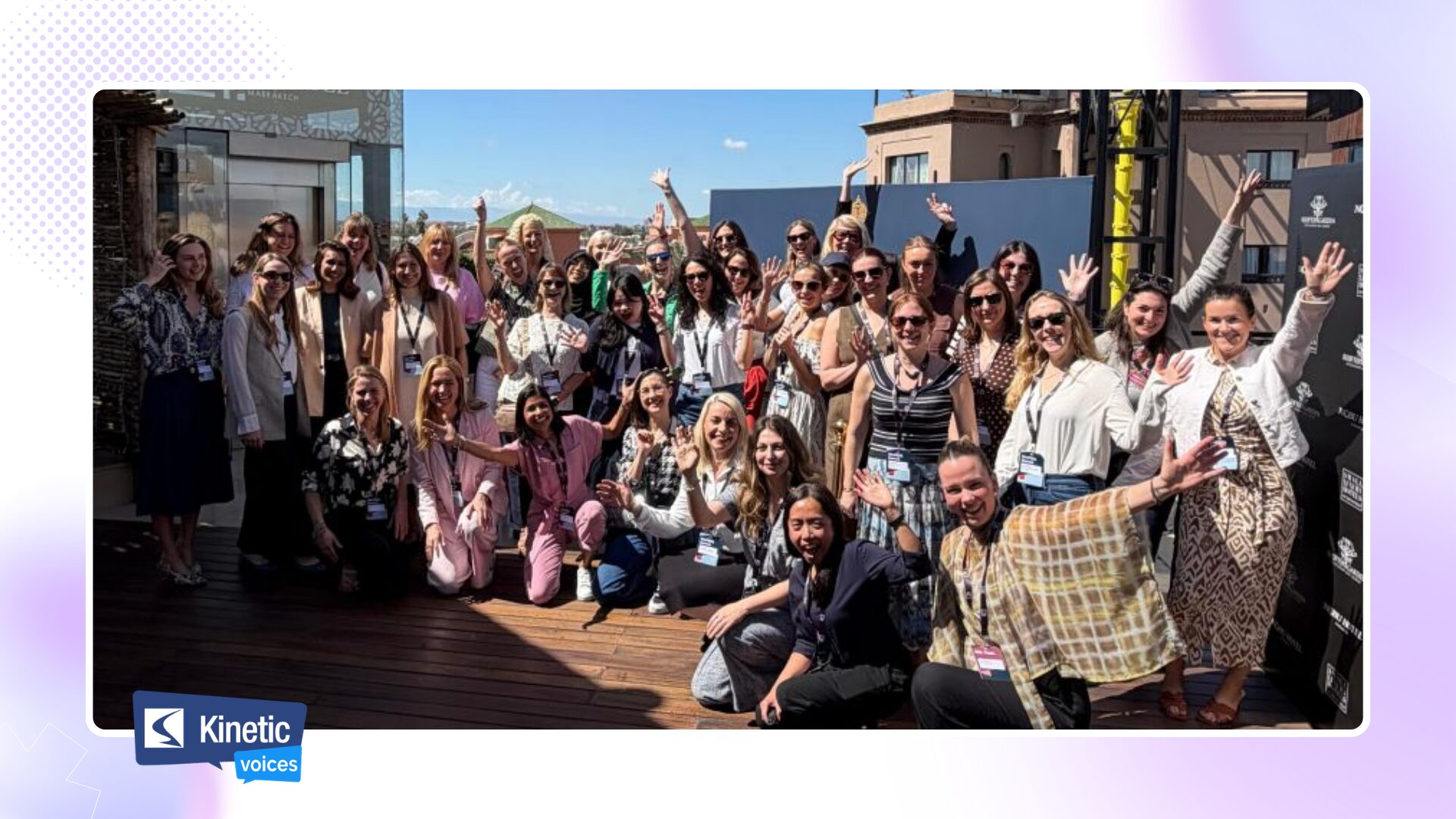
At the Women in PBSA Summit in Marrakesh, Pip found herself thinking less about the data and more about the moments of honesty in the room. The conversations where people admitted what they didn’t know, or named what wasn’t working.
This article is Pip’s personal reflection on those moments, and on what might change if we treated them as human realities rather than abstract metrics.
A few weeks ago, I spent time in Marrakesh at the Women in PBSA summit. I came home thinking about something I hadn’t expected.
Not the data. Not the investor panels. The moments that stayed with me were the ones where someone admitted they didn’t have it figured out. Where they named a failure, or asked a question they genuinely didn’t know the answer to.
Vulnerability creates connections. Not the performative kind. The kind that makes something real possible.
The word that’s been protecting us
Philippa Charrier said something that stopped me cold. We talk constantly about student well-being. But if the same volume and severity of issues were happening in a workplace, we wouldn’t use that word. We’d call it a catastrophic failure.
Well-being sounds caring. It also sounds like something slightly beyond our control… pastoral, ambient, sad but inevitable. Catastrophic failure asks who was responsible. It asks what we could have done differently.
I wonder if we’ve been hiding behind the gentler word. Not out of malice, but because the other one is harder to hold.
Made for them, or despite them
A designer on one of the panels made a small observation: student spaces are still often designed by people who wouldn’t think to put a plug socket near a mirror.
It sounds trivial. It isn’t. When the people making decisions don’t share the lives of the people affected by them, they miss things. And the people on the receiving end always know. Students feel whether a space was made with them or despite them. That feeling accumulates.
What I keep coming back to
If we treated these as human failures, not market inefficiencies, not well-being metrics, what would change? Would we sit with students earlier, and longer, and listen differently? Would we be willing to feel the weight of what isn’t working before we reach for a solution?
I don’t have tidy answers. But I left Marrakesh believing this: the organisations that will matter are the ones willing to be uncomfortable. To say what they don’t know. To let that shape what comes next.
That’s not a strategy. It’s just honesty. And it turns out, it’s where the real connection starts.